Print on Demand
Successful Print-on-Demand Shops: 15 Patterns They Share
Why small shops that last worked, the lesson in each, and a first design you can make for one this week.
Updated Oct 31, 2026 · 8 min read
Roundups of successful print-on-demand shops usually tell you someone else's story. The useful part is the pattern underneath it: why a shop worked, and whether that reason could work for you. Small shops that last tend to take one of a handful of shapes. Here are fifteen of them, the lesson in each, and a first design you could make for one this week. None of them needs stock, a studio or a big budget.
What do successful print-on-demand shops have in common?
Three things, nearly every time. They sell to a buyer they can name in a few words, not to everyone. They started with a few designs and kept going after a slow first month. And they decide what to make next by what buyers actually do, meaning what gets looked at, saved, asked about and bought, not by what they hoped would sell.
1. The cause shop
Built around something the founder cares about: a coastline, a local park, a health condition in the family. The cause is the reason to buy, and the product is how people show it. The lesson: a shop with a reason travels further than a shop with a catalogue. If you give part of each sale to a cause, say exactly how much and to whom, and keep it true.
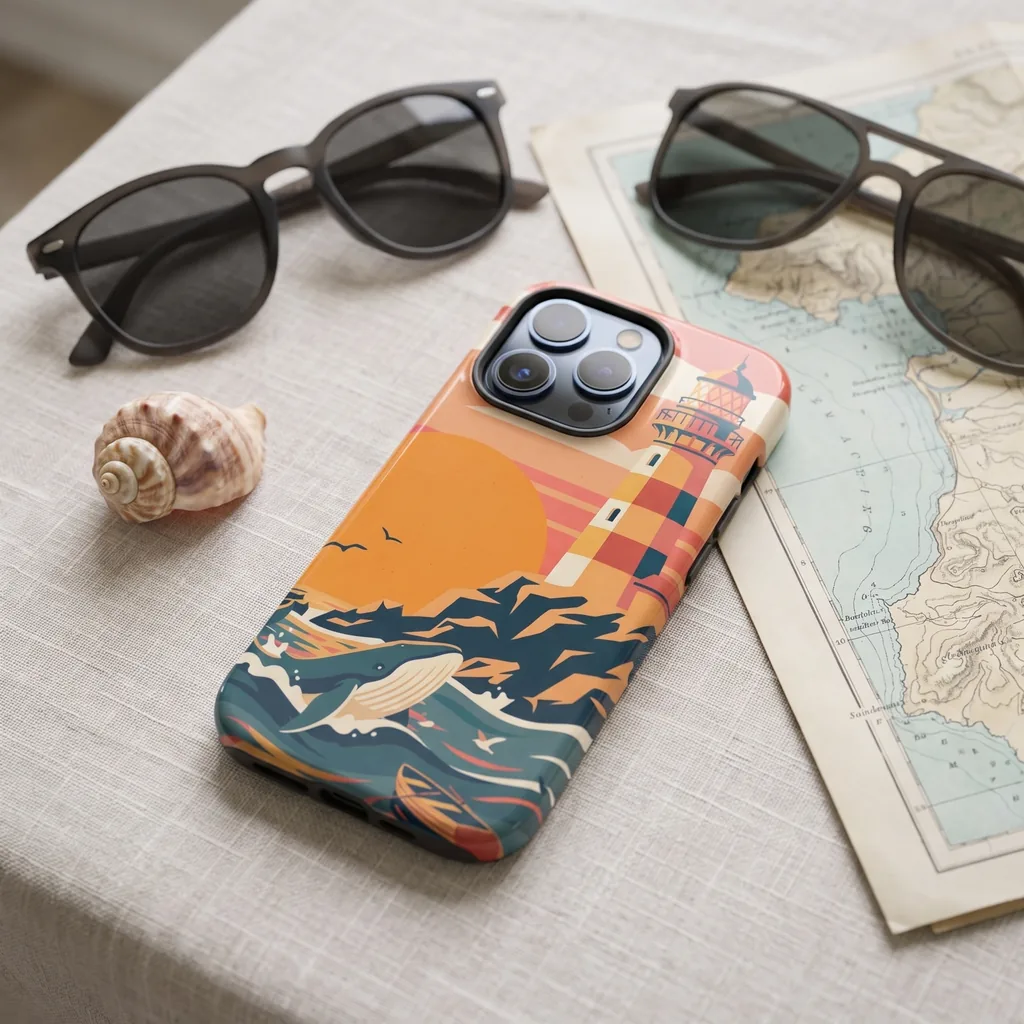
Try: one calm picture of the place you are standing up for, with its name in small type.
2. The shop that asked first
Before making more, the founder asked the people they wanted to reach what they actually wanted: which pieces, which colours, what they would wear to the gym or to work. The lesson: ten short conversations with real buyers are worth more than fifty designs made in the dark.
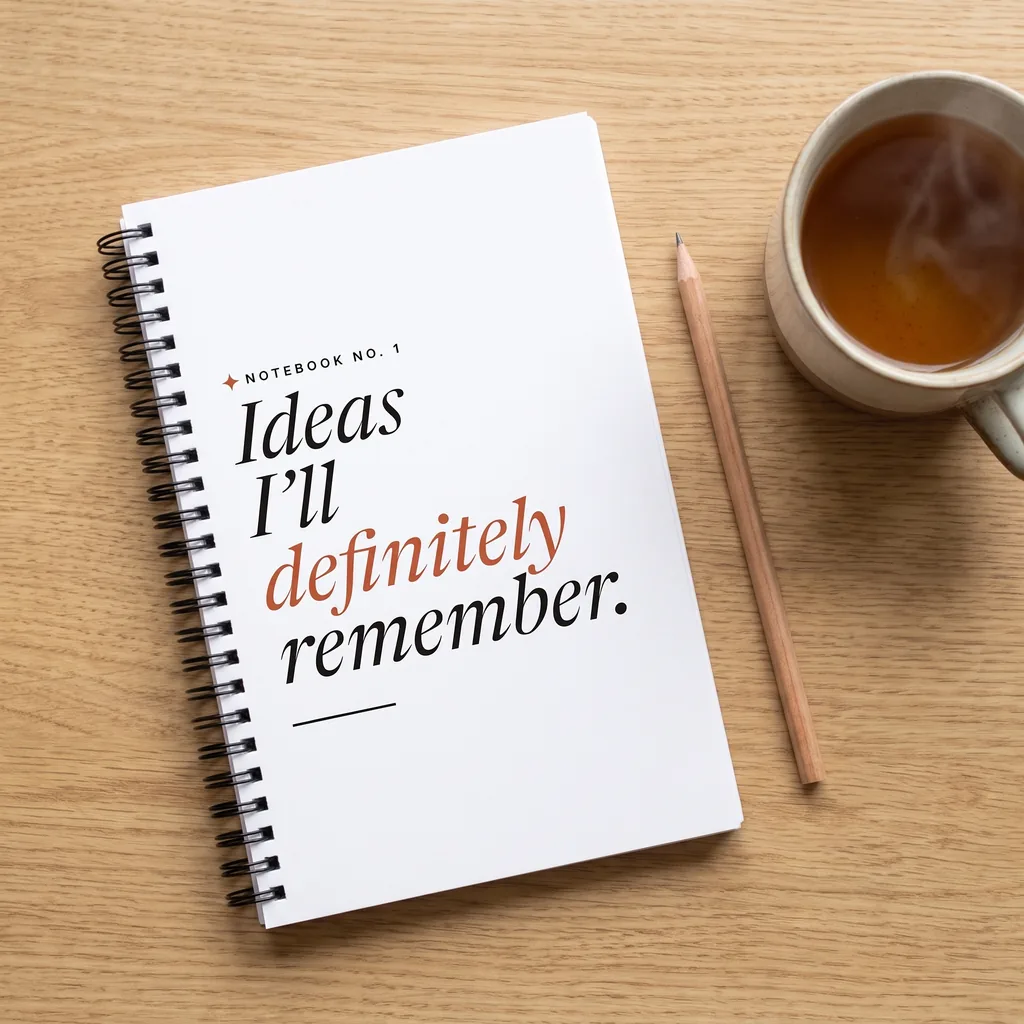
Try: post three rough designs and ask which one people would really wear. Make the winner properly.
3. The narrow range
One kind of piece done well, instead of a shop that has a bit of everything. A narrow range is easier to photograph, easier to explain and easier to remember. The lesson: add a new product only when a buyer would put it in the same basket as the first one.
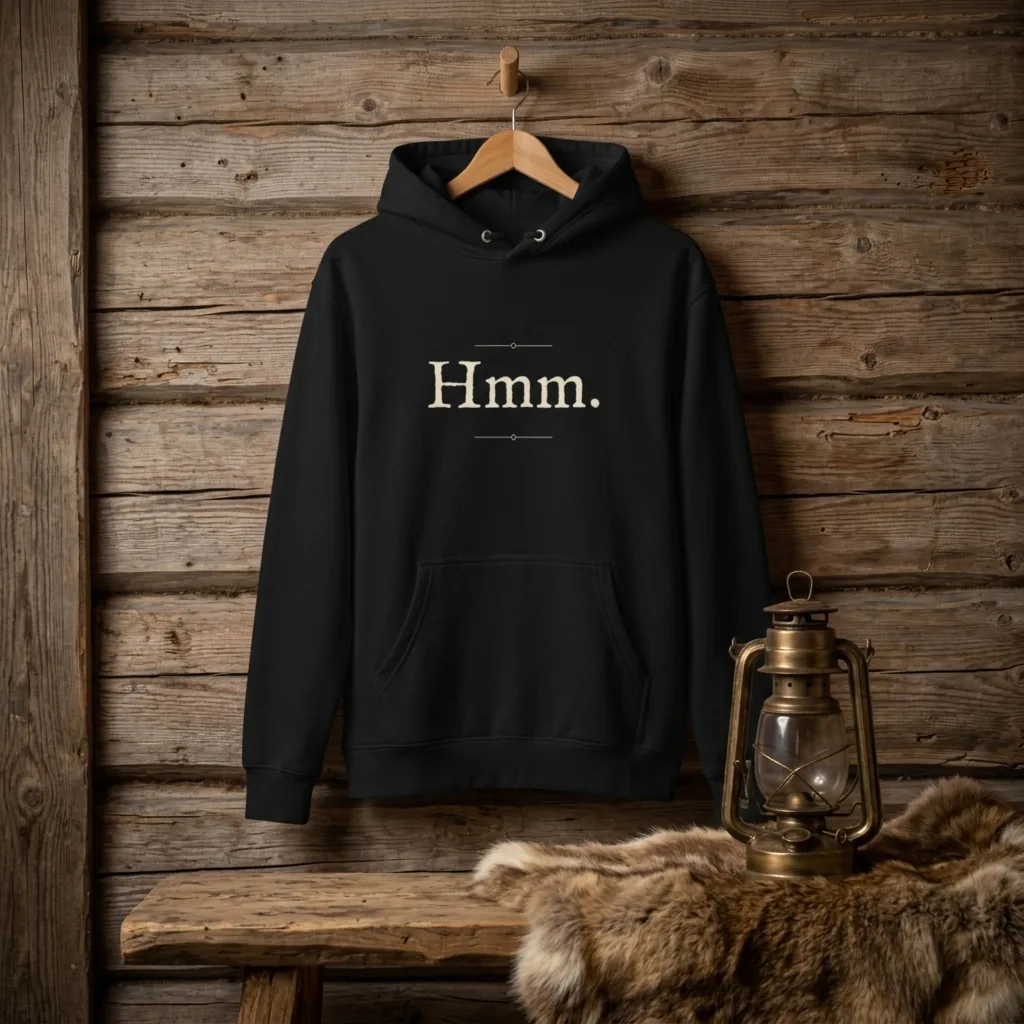
Try: pick one product your buyer uses every day, and make three designs for it before you add a second product.
4. The community mirror
Designs that reflect what a group is already talking about: this season's in-joke, a shared milestone, the thing everyone in the hobby argues about. New designs follow the conversation, so the shop always feels current. The lesson: be quick, and take the idea under a trend rather than the trend's name. A joke every player of a genre gets is safer than a game's logo, and it lands with more people.
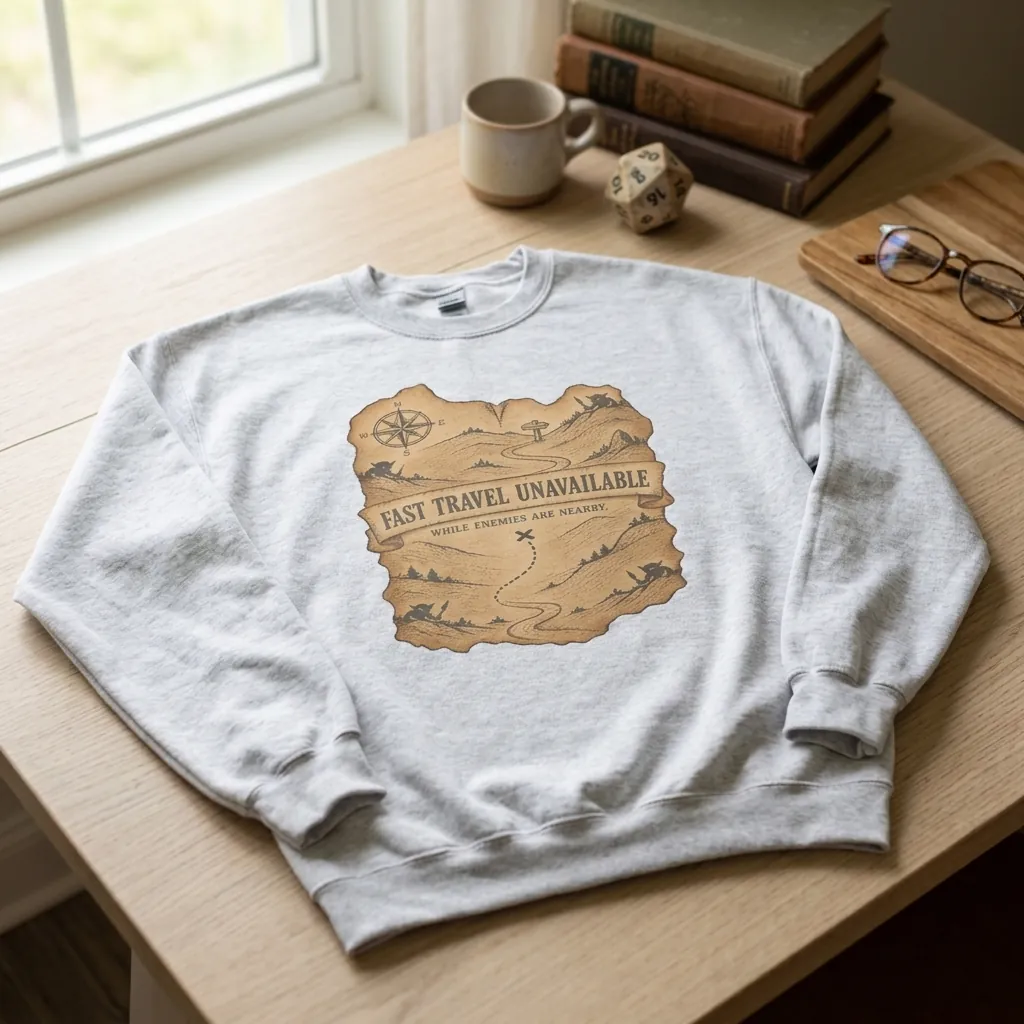
Try: write down five things your group says to each other that outsiders would not get. Each one is a design.
5. The page that became a shop
An account people already follow, whether a meme page, a newsletter or a club's group chat, offers one design and finds out the audience will pay for it. The lesson: audience first, product second. If you do not have an audience yet, build one in public while you design: show the drafts, the rejects and the finished pieces.
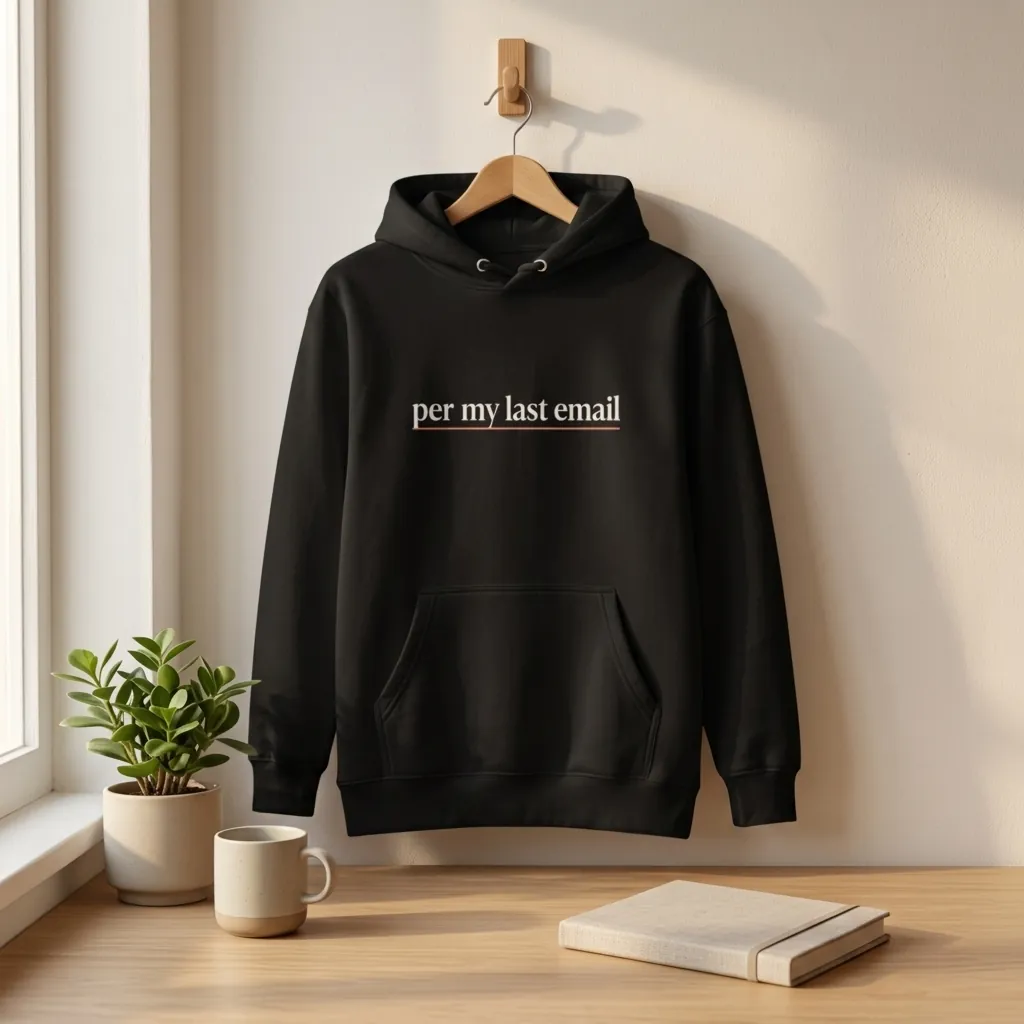
Try: turn the post your followers liked most this year into a design, and ask them whether they would wear it.
6. The collective
Instead of paying for ads, the founder invites other artists in the same niche to make a small collection each. Every artist tells their own followers, so the shop reaches several audiences at once. The lesson: a good partner is worth more than an ad budget. Agree in writing, before the first sale, who made what and how anything is shared.
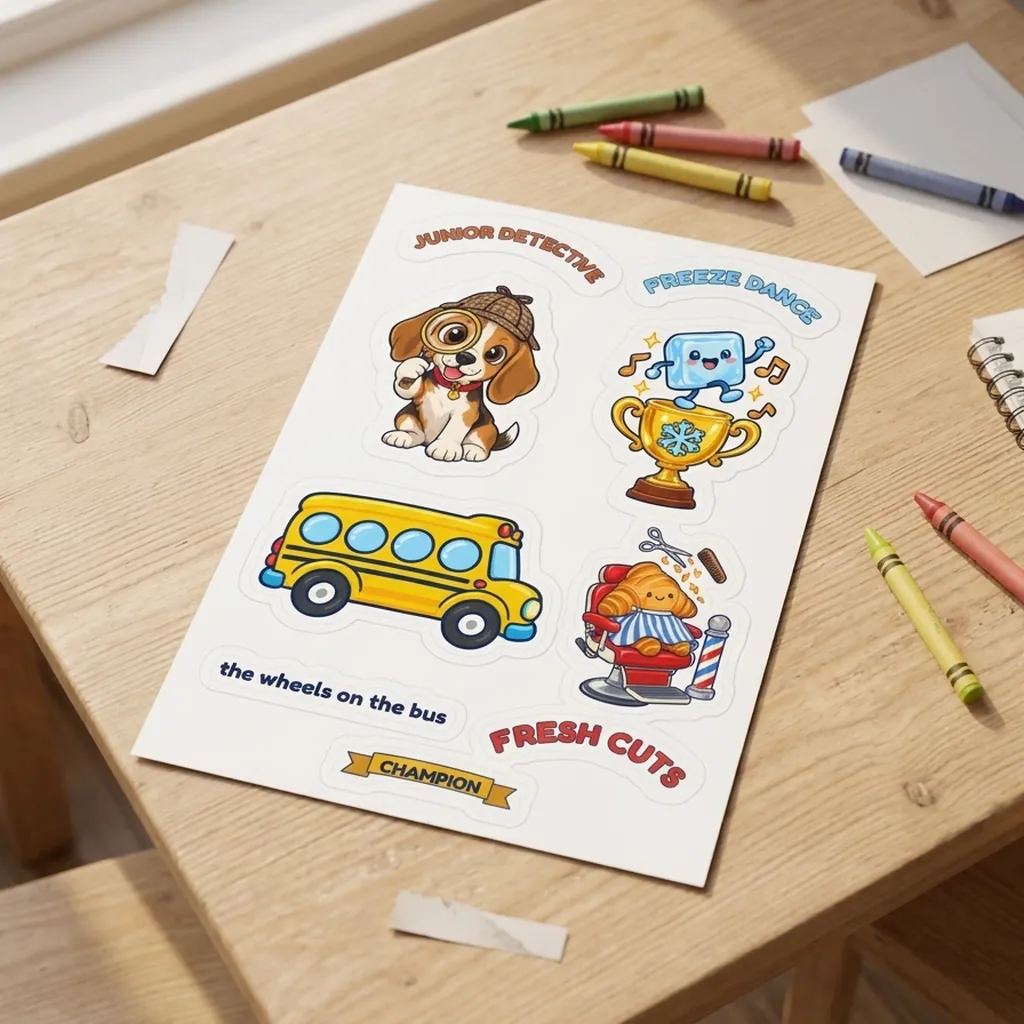
Try: ask one artist you admire to make three designs on one theme with you, and launch them together.
7. The short-video habit
Short, regular, recognisable videos: the same format, the same opening line, posted on a schedule. Some ask viewers to vote on the next colour or the next caption, which turns people watching into people who helped make it. The lesson: a habit beats a hit. Most of the reach tends to come after weeks of posts that seemed to go nowhere.
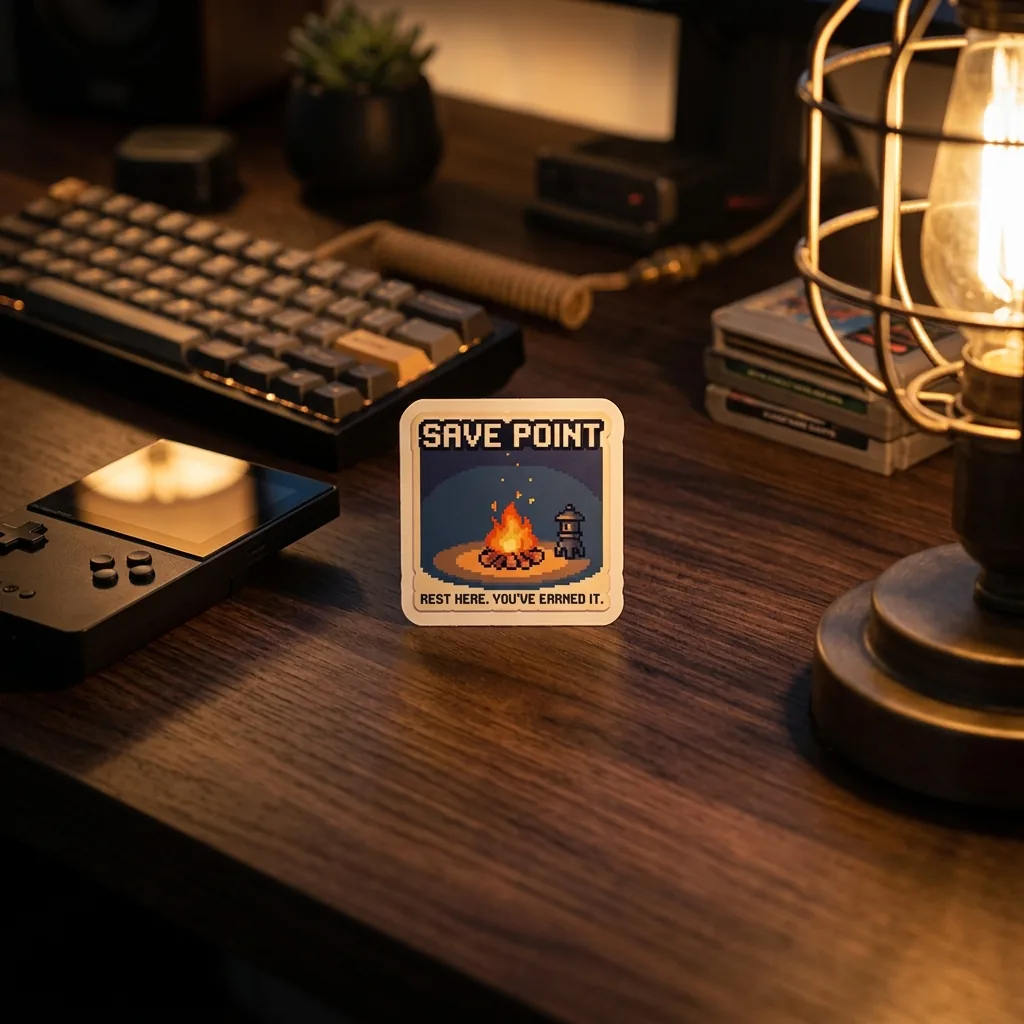
Try: choose one format you can film in ten minutes, and post it three times a week for a month.
8. The style shop
One look applied to everything: mid-century shapes, botanical patterns, a single colour palette. Buyers come for the look and stay for the range. The lesson: a style can be a niche of its own, as long as every product photo looks like it came from the same shop.

Try: write your style down in one sentence, and start every design from that sentence.
9. The local shop
A neighbourhood, a running club, a bakery's regulars, a street with a story. The founder already knows the buyers, and word of mouth does most of the marketing. The lesson: you do not need a big market when you know a small one well. Because each piece is made when it is ordered, nobody has to guess sizes up front or hold leftover stock.
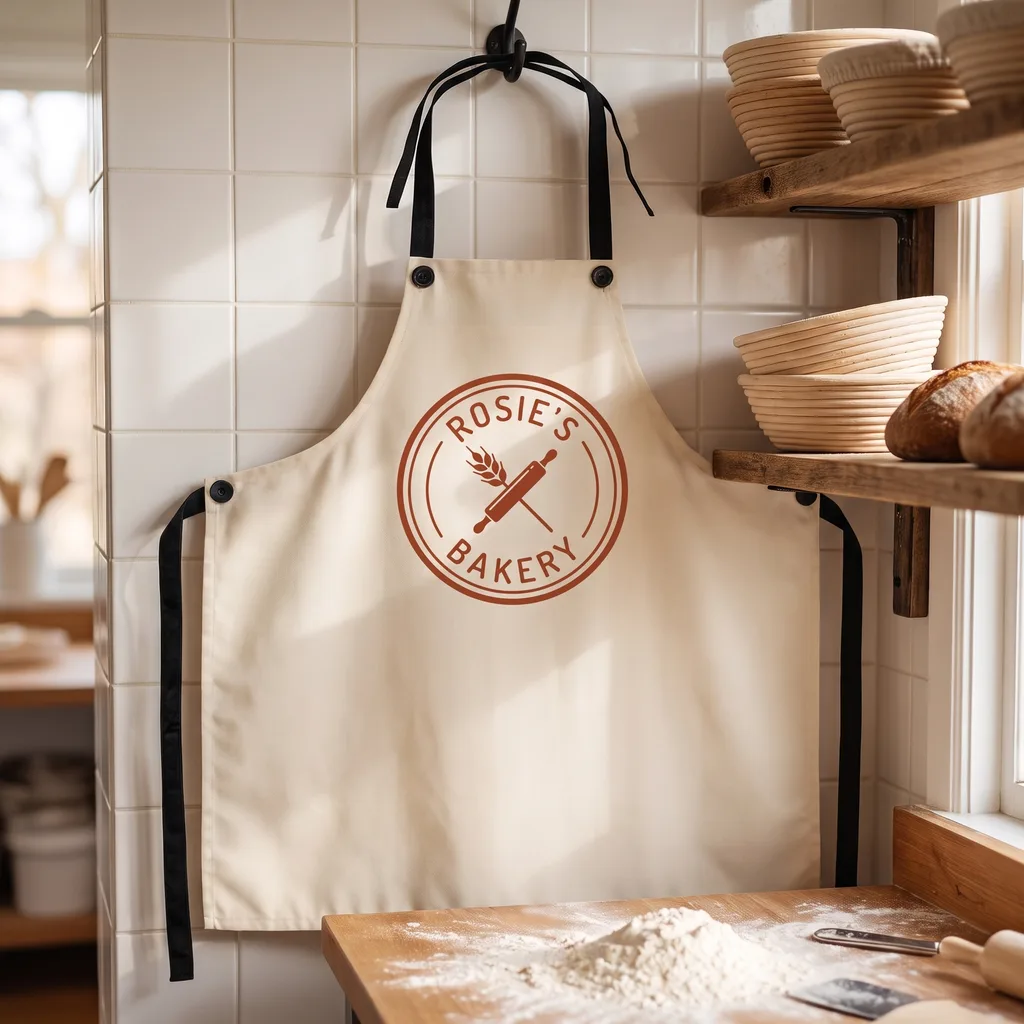
Try: one design with a place name and a year, for the people who would recognise both.
10. The heritage shop
Designs drawn from the founder's own background, hometown or family: the phrases, patterns and stories they grew up with. It is the hardest kind of shop to copy, because the details only ring true from the inside. The lesson: a niche you belong to beats a niche you picked from a list.
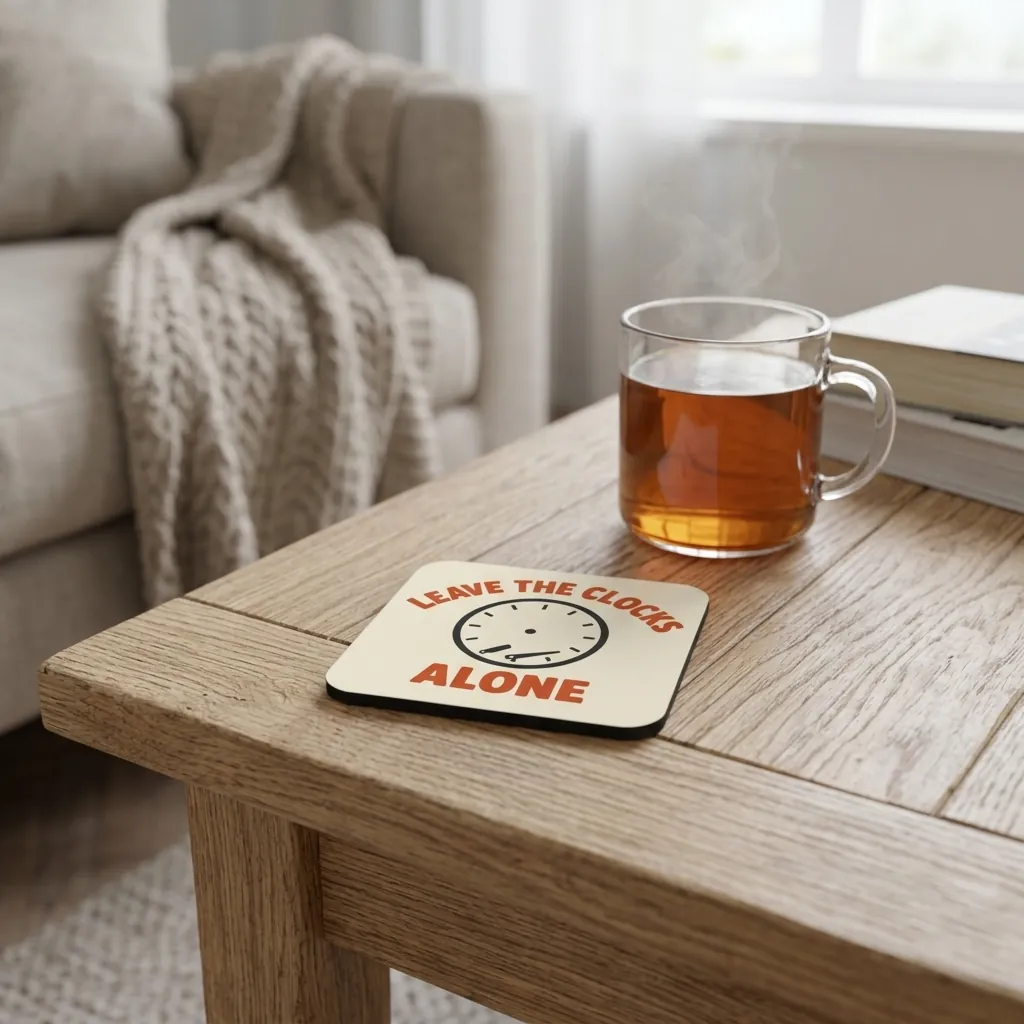
Try: take a saying your family uses that nobody else does, and set it in plain type.
11. The matching set
One artwork carried across a whole room or a whole outfit: a poster, a pillow, a card and a mug on the same theme. A buyer who loves one piece can have the set. The lesson: one strong idea on several products does more than several weak ideas on one.
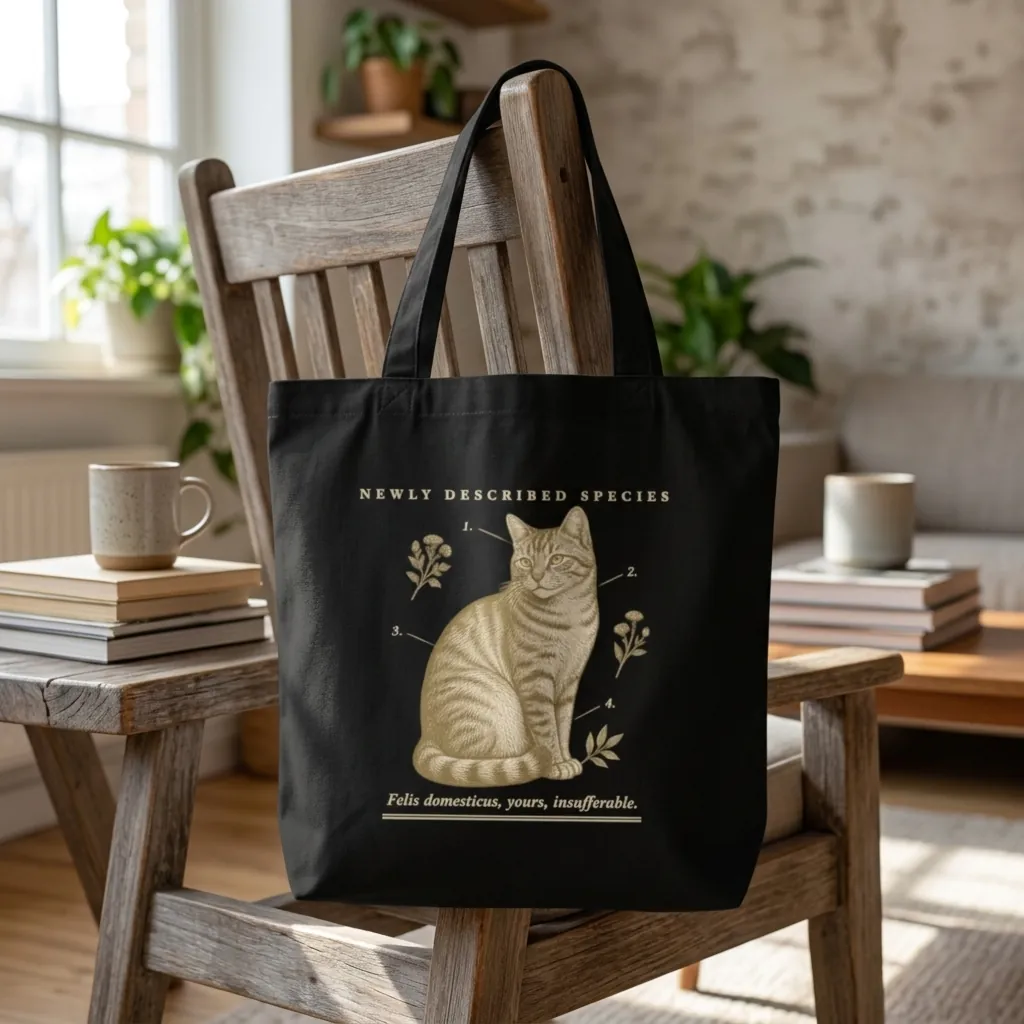
Try: make one design and put it on three products that would sit in the same room.
12. The friendly expert
A shop that makes an unloved subject lovable: snakes, bats, fungi, spreadsheets. Every piece is a small lesson. The founder wears the shirts, drinks from the mugs and hangs the posters behind them in every video. The lesson: use your own products on camera. It is the most honest advert there is, and it costs nothing.
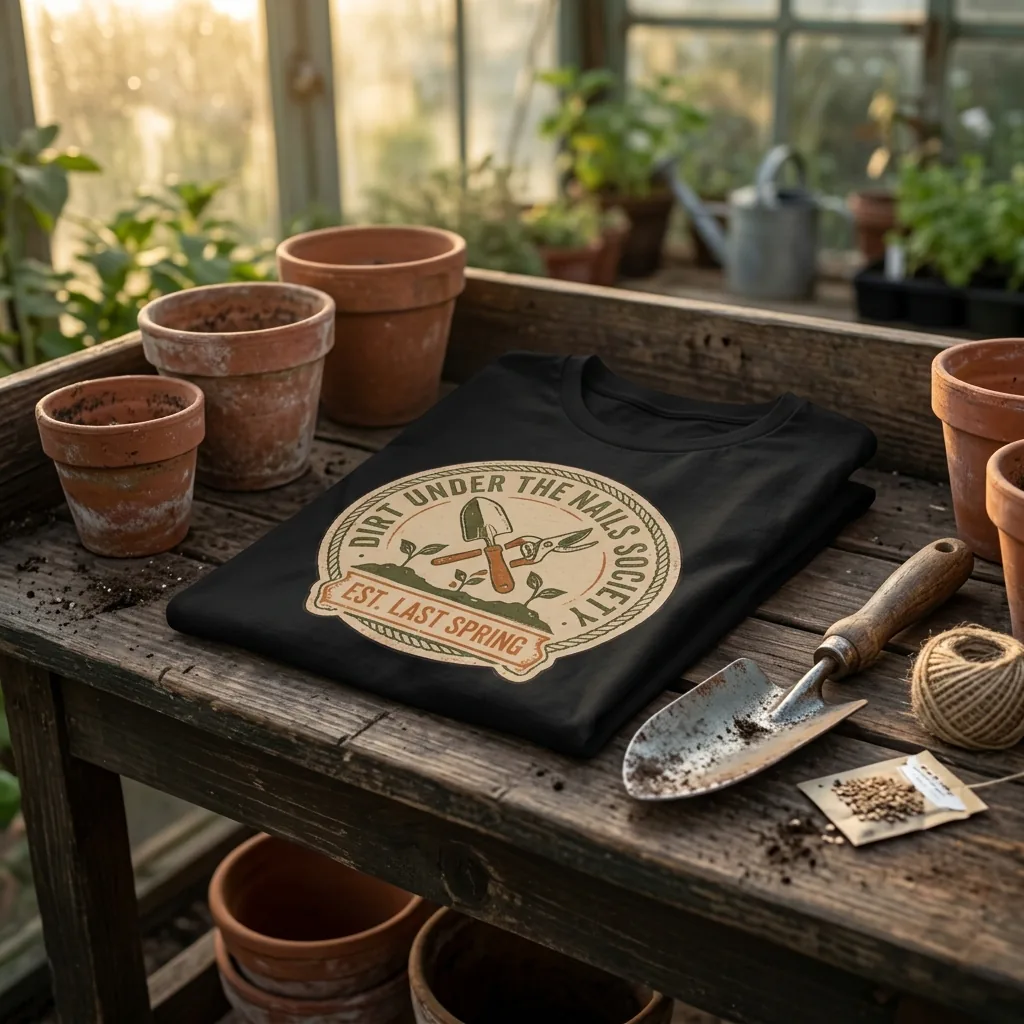
Try: pick one fact about your subject that surprises people, and draw it.
13. The job shop
Designs for a profession: teachers, engineers, chefs, night-shift workers. People buy a sign that they belong, and colleagues buy for each other. The lesson: the more specific the job and the joke, the better. A line only a teacher would understand reaches teachers. A line anyone would understand reaches nobody in particular.
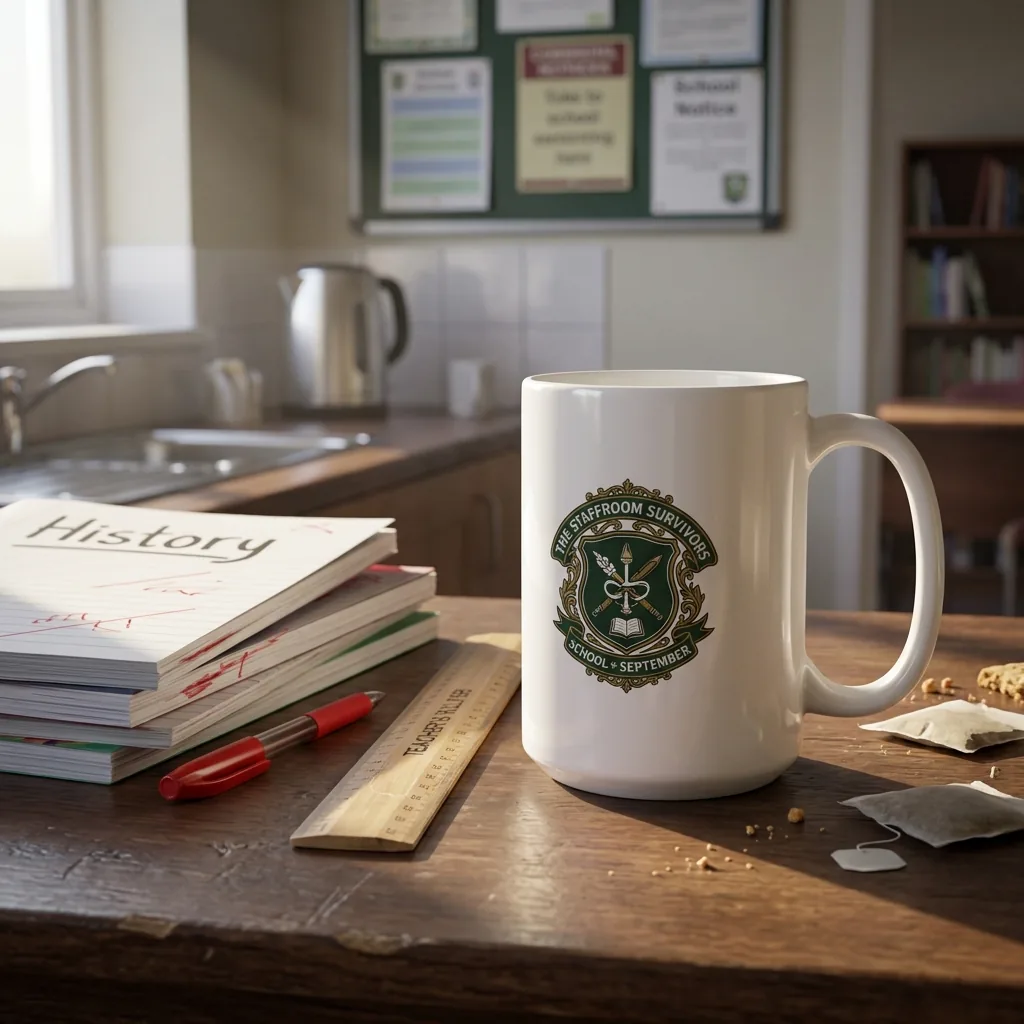
Try: ask someone in the job for the sentence they hear most at work.
14. The fast reply
A shop that answers every message within a day, in a real voice. A small shop cannot match a big store on range, but it can be more human than one. The lesson: reply quickly and kindly, even to a complaint. Every reply is part of what people remember about the shop.
Try: set aside the same ten minutes every day for messages.
15. The long game
Once sales start, the shops that last look past today's total. They watch how many buyers come back, how much an average order is, and which designs get looked at but not bought. The lesson: a shop is built by repeat buyers. Plan the next design for the people who bought the last one.
Try: once a month, write down three numbers: returning buyers, average order, and your most viewed design.
Patterns that rarely work
Selling to everyone. Using a brand, team, band, film, character or famous face: it is somebody else's mark, and listings like that get taken down. Picking a niche only because a list said it was popular. Paying for ads before a single sale has come in on its own. Making fifty designs before anyone has seen one.
How to try one this week with Pablit
Pick the pattern above that fits something you already know. Describe a first design to Pablit's design assistant in plain words. It makes the design and shows it on real products, such as a tee, a mug or a tote, so you see what a buyer will see before anything is listed. If something is off, say what to change. New accounts start with 60 free credits.
Make the design big and in the shape of the finished piece. Print quality depends on pixels at the finished size, and an upscale later cannot invent detail that was never there.
When you are ready, connect your own Etsy shop on the Sell page. The buyer pays on Etsy, and Pablit makes the piece and ships it to them only once it has sold, so there is no stock to hold and no minimum order. For each product Pablit shows what it charges per order and a suggested price, so you set a price knowing the numbers.
Is print on demand worth it for a small shop?
It can be, if you treat it as a small business rather than passive income. Making pieces one at a time costs more per piece than a large run, so the margin is thinner. In return there is no stock, no minimum and no risk in trying a new design. Early sales are slow for almost everyone. What wins is a narrow buyer, original designs and traffic you bring yourself.
How many designs should a new shop start with?
Three to five, on one theme, for one buyer. Give them thirty days, watch which ones get looked at, and make more like those. Twenty designs nobody has seen tell you less than three you have shown to the right people.