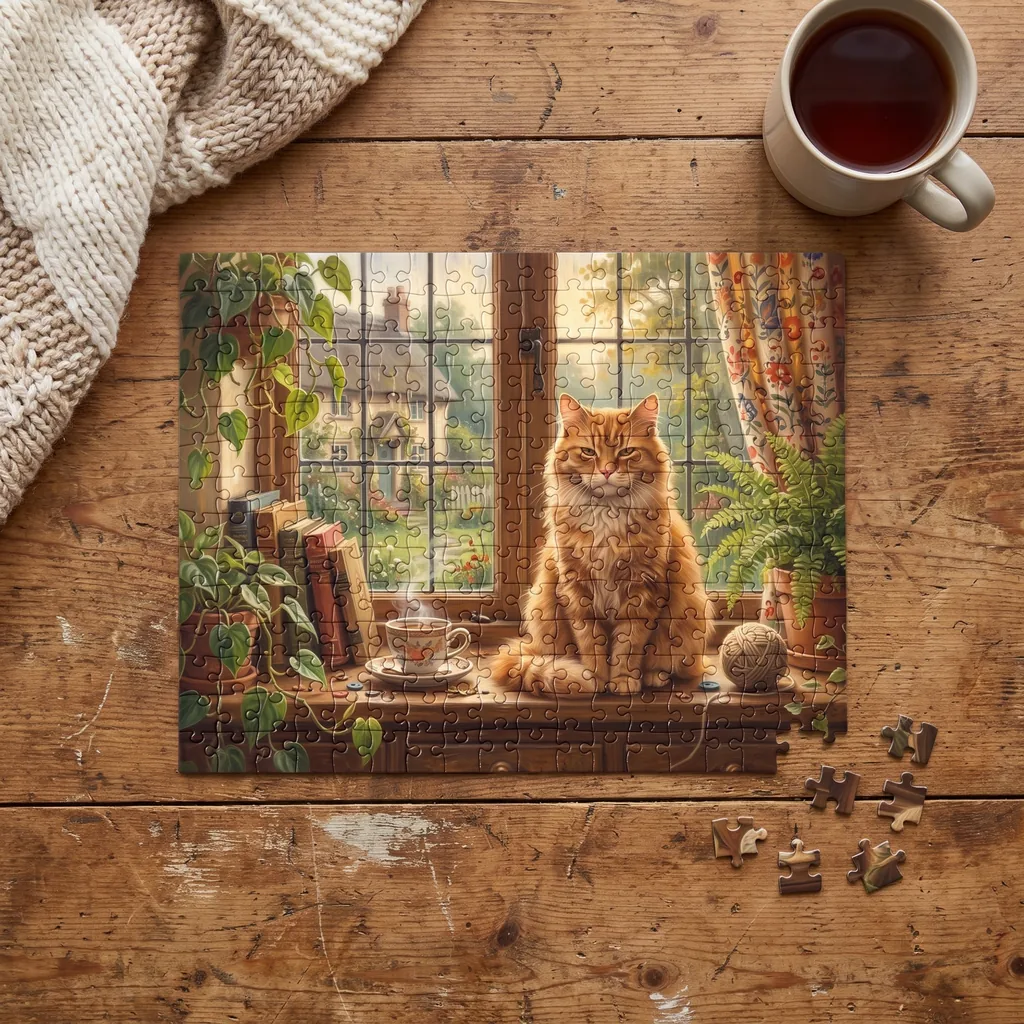
A photo or a painting
Digital Printing on cotton garments, Sublimation on mugs and polyester, and a fine art print for the wall.
Lots of colour and soft shading suit methods that print, not stitch.
Making guide
Many products can be made more than one way. The editor opens on one of them and says what each is good for; switch whenever you like. These are rules of thumb, likely outcomes rather than promises: every design is different, and the choice is always yours.
Digital Printing on cotton garments, Sublimation on mugs and polyester, and a fine art print for the wall.
Lots of colour and soft shading suit methods that print, not stitch.
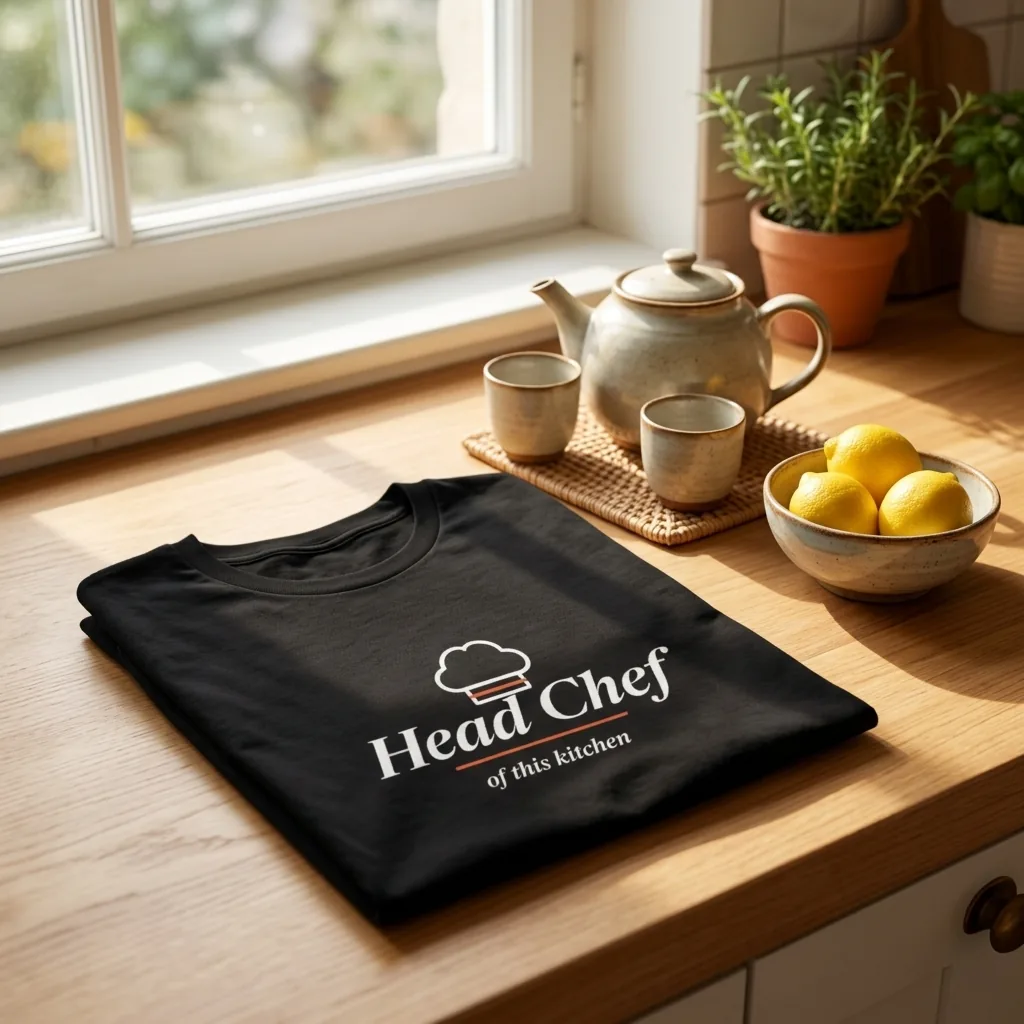
Digital Printing or a DTF Transfer. On dark fabric, a DTF Transfer usually keeps colours strongest.
Crisp edges and solid shapes come out clean with either.
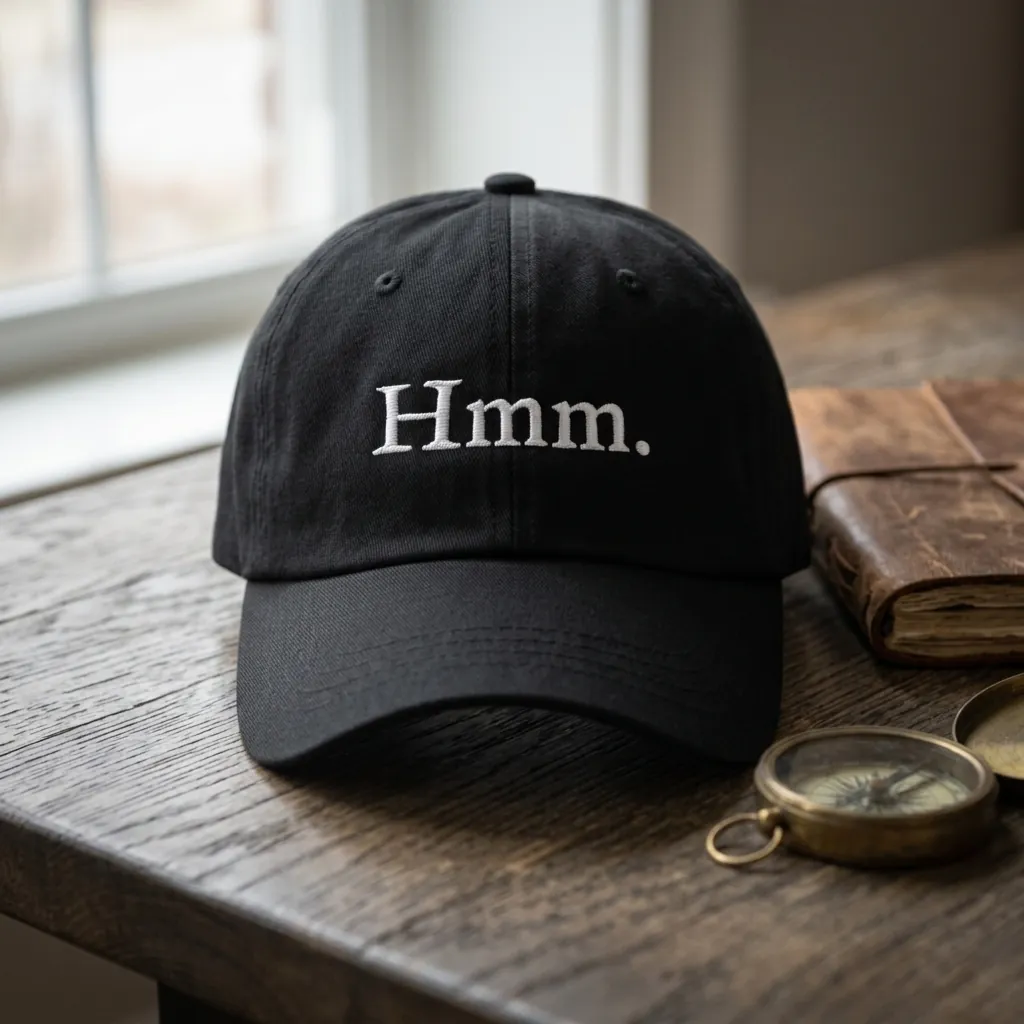
Embroidery, on caps, beanies, polos and the chest of a hoodie or sweatshirt.
A few flat colours and simple shapes stitch best.
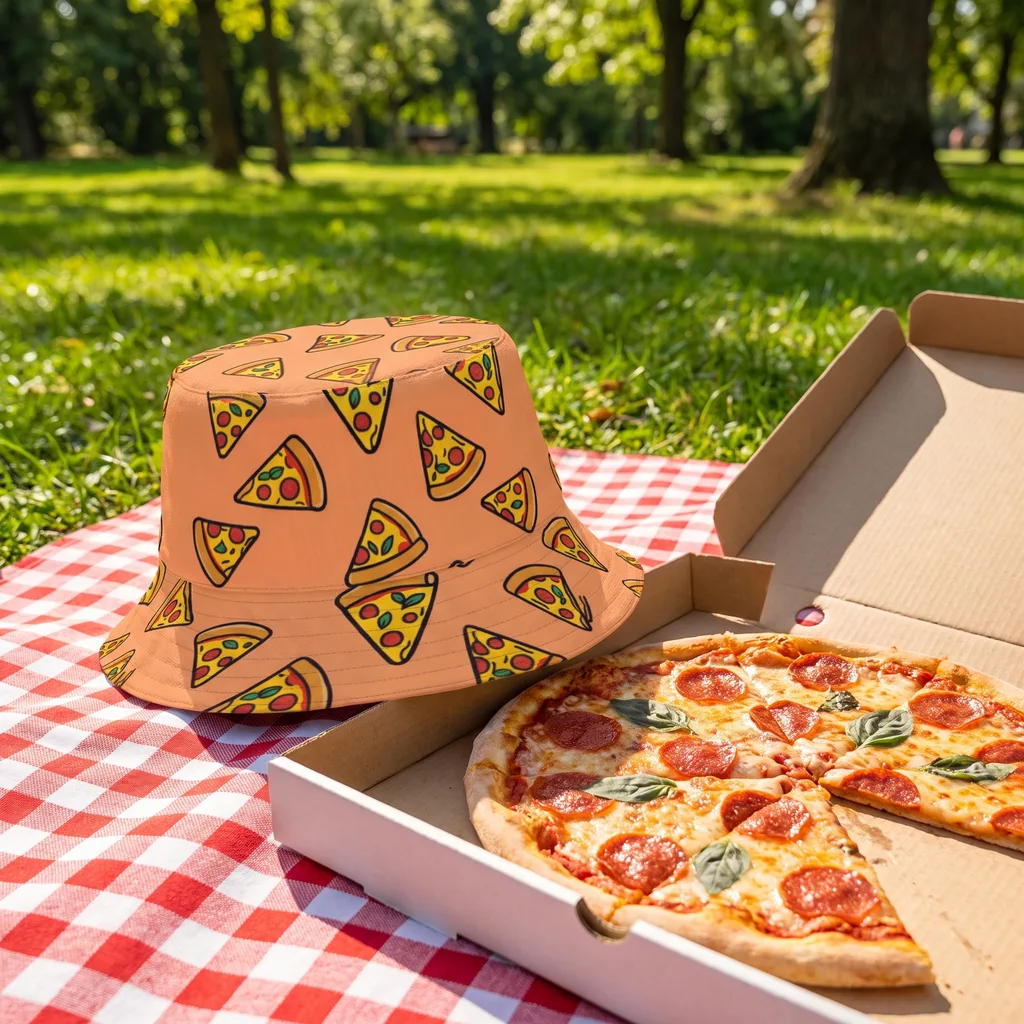
All-over print: leggings, swimwear, all-over tees and hoodies, pillows and blankets.
Repeating patterns usually hide the seams best.
Likely best for: Photos, gradients and detailed art with lots of colour.
Worth knowing: Use a transparent background so the garment colour shows around your design. Soft shadows and half see-through edges may print as a faint box.
Likely best for: Bold, flat graphics with crisp edges, and strong colour on dark fabric.
Worth knowing: Large solid blocks of colour may feel a little stiff.
Likely best for: Logos, simple marks and short text in a few flat colours.
Worth knowing: Gradients, photos and very small text likely won't stitch cleanly, and colours are matched to the nearest thread.
Likely best for: Full-colour art and photos, edge to edge.
Worth knowing: White can't be printed: white areas show the base material instead.
Likely best for: Patterns and full-coverage art.
Worth knowing: Seams may cut through details near the edges. Repeating patterns usually hide seams best.
Likely best for: Photos, paintings and lettering, on posters and canvas.
Worth knowing: Make the design in the print's shape so nothing important gets cropped.
Idea to product, in a conversation. Designed anywhere, made near you.